7 Benefits of Keeping Snake Plants in Your Home
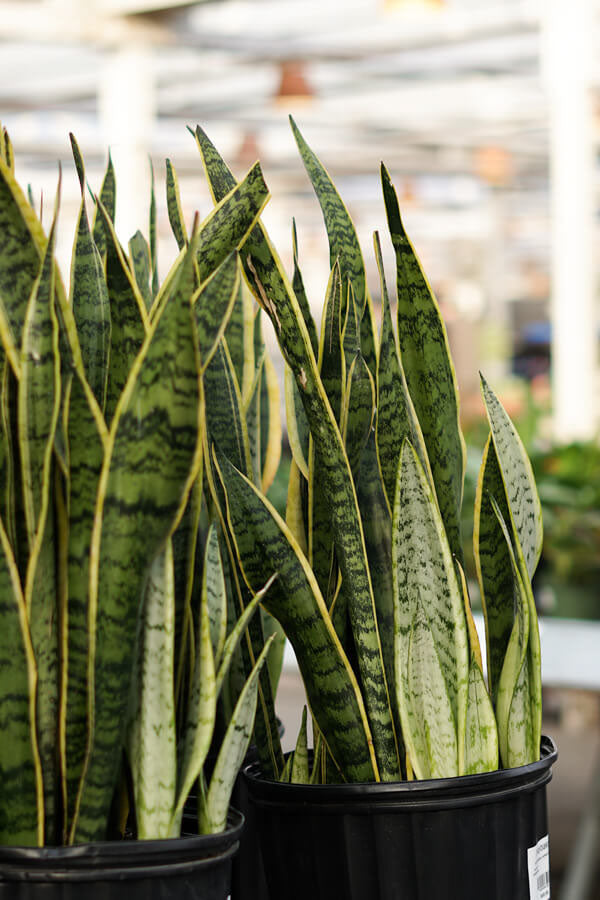
The snake plant, also known as Sansevieria trifasciata or mother-in-law's tongue, is a popular choice for indoor decor. Not only does it add a touch of greenery to your space, but it also offers several surprising health benefits. Below, we explore the key advantages of having a snake plant in your home, its care requirements, and tips for making the most of this resilient plant.
What is a Snake Plant?
The snake plant is a hardy succulent native to Asia and Africa. It features long, upright, sword-shaped leaves that give it a striking appearance. Known for its minimal care requirements, it thrives in a variety of conditions and can grow from 6 inches to several feet in height. While it is generally safe, its leaves contain saponins that can be mildly toxic if ingested, so it’s best to keep it out of reach of children and pets.
Benefits of Snake Plants
Filter Indoor Air, Even at Night
- Unique Quality: Unlike many other houseplants, snake plants convert carbon dioxide (CO2) into oxygen at night, which makes them ideal for bedroom decor. This night-time oxygenation can help improve air quality and promote better sleep.
Remove Toxic Pollutants
- Pollutant Absorption: Snake plants are effective at filtering out harmful chemicals from the air, including:
- Benzene
- Formaldehyde
- Xylene
- Trichloroethylene
- Toluene
- This ability to absorb and neutralize these pollutants helps create a healthier indoor environment and can reduce symptoms of airborne allergies.
- Pollutant Absorption: Snake plants are effective at filtering out harmful chemicals from the air, including:
Mental Health Booster
- Therapeutic Effects: While research is ongoing, studies have shown that indoor plants can positively impact mental health. The presence of plants like the snake plant in your home can contribute to a calming atmosphere, potentially reducing stress and boosting overall well-being.
Low Maintenance and Easy to Care For
- Resilient Nature: The snake plant is renowned for its low maintenance needs. It tolerates a range of light conditions, from low light to direct sunlight, and requires minimal watering. It’s also resistant to pests and does not need frequent repotting.
Effective Against Allergies
- Air Quality Improvement: By increasing oxygen levels and adding moisture to the air, snake plants can help alleviate the effects of allergens such as dust and dander. This can be especially beneficial for individuals with asthma or allergies.
Feng Shui Benefits
- Energy Enhancement: According to feng shui principles, snake plants are believed to absorb negative energy and promote positive energy flow. They are thought to enhance learning environments and reduce negative feelings. While this is not scientifically proven, incorporating snake plants based on feng shui practices may improve the ambiance of your space.
Relieves Minor Physical Ailments
- Traditional Uses: In traditional practices, snake plants are believed to have various healing properties. These include:
- Healing skin wounds and burns
- Reducing inflammation
- Supporting blood pressure
- Strengthening the immune system
- Relieving headaches
- Caution: The leaves contain saponins, which can be toxic in large quantities. Always consult with a healthcare provider before using the plant for medicinal purposes and avoid ingesting any part of it.
- Traditional Uses: In traditional practices, snake plants are believed to have various healing properties. These include:
Types of Snake Plants
There are several varieties of snake plants, each with its unique appearance:
- Sansevieria trifasciata 'Laurentii': Known for its tall, variegated leaves with yellow edges.
- Sansevieria trifasciata 'Hahnii': A smaller, more compact variety with rosette-shaped leaves.
- Sansevieria cylindrica: Features cylindrical leaves that grow upright, giving it a distinctive look.
- Sansevieria 'Moonshine': Has pale green, almost silver-colored leaves.
Care Tips for Snake Plants
- Light: Adaptable to both low and bright light. However, avoid direct sunlight for long periods.
- Watering: Water sparingly. Allow the soil to dry out between waterings. Overwatering can lead to root rot.
- Soil: Use well-draining soil, such as a cactus or succulent mix.
- Temperature: Prefers temperatures between 60-80°F (15-27°C). Avoid freezing temperatures.
- Fertilization: Feed with a balanced houseplant fertilizer once or twice a year during the growing season.
Takeaway
The snake plant is not only an attractive addition to any home but also provides a range of health benefits from improving air quality to potentially boosting mental well-being. Its low maintenance requirements make it an ideal choice for both novice and experienced plant owners. Keep these care tips in mind to ensure your snake plant thrives and continues to enhance your living space.


Comments
Post a Comment