Difference Between Pon and Leca
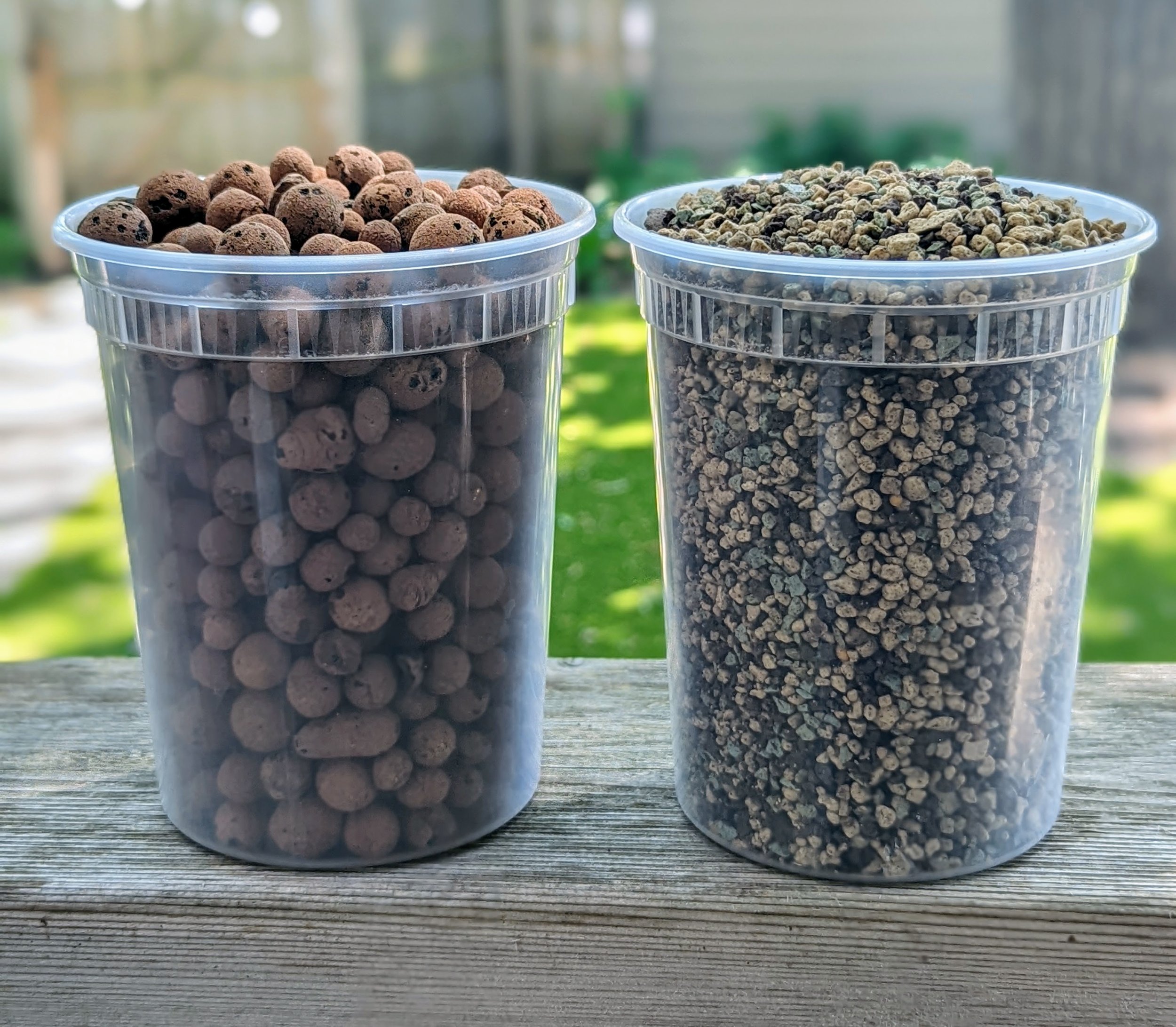 Great comparisons between Pon and Leca! Here's a detailed breakdown of their differences based on the aspects you highlighted:
1. Size and Shape
Pon:
- Size: Smaller, gravel-like, and irregularly shaped.
- Shape: Resembles specialized aquarium gravel, which can be beneficial for finer or younger root systems.
- Advantages: Less likely to roll away, making it easier to manage, especially in smaller pots or for propagation.
Leca:
- Size: Typically larger and spherical.
- Shape: Ball-shaped, which can be prone to rolling, potentially causing inconvenience.
2. Price
Pon:
- Cost: Generally more expensive, especially premium brands like Lechuza.
- Usage: Often reserved for more sensitive plants or propagation due to the higher cost.
Leca:
- Cost: Usually cheaper and more budget-friendly.
- Usage: A cost-effective option for larger pots or less sensitive plants.
3. Transfer Process
Pon:
- Ease of Transition: Less critical to remove all soil from roots. Some residual soil can be left when transitioning to Pon, especially with partial mixing methods.
- Handling: Recommended to still remove excess soil for 100% Pon, but easier with partial mixes.
Leca:
- Ease of Transition: Requires thorough cleaning of roots to prevent root rot and transition issues. Root melt can be common as plants adapt to the new environment.
4. Weight
Pon:
- Weight: Heavier due to its stone-like nature.
- Advantages: Provides stability for smaller pots and prevents tipping. Less suitable for hanging pots due to its weight.
Leca:
- Weight: Much lighter.
- Advantages: Ideal for larger plants in hanging pots but can be unstable in smaller pots or for top-heavy plants.
5. Pests
Pon:
- Pest Control: Reduces likelihood of pests like fungus gnats and moisture-loving pathogens due to its airy, soil-free nature.
- Limitations: Not a guaranteed pest-free solution. Pests like spider mites and thrips can still be issues.
Leca:
- Pest Control: Similar benefits in reducing pests compared to Pon. Effective against soil-borne pests and diseases.
- Limitations: Does not eliminate pests entirely, especially those that target foliage.
6. Fertilizer
Pon:
- Nutrients: Often includes slow-release fertilizers, but this is typically short-term. Long-term use still requires supplemental feeding.
- Fertilizer Management: Absorbs excess fertilizer, potentially reducing risk of burn. Use hydroponic fertilizers for balanced nutrition.
Leca:
- Nutrients: Contains no nutrients, requiring additional fertilization.
- Fertilizer Management: Needs consistent feeding with hydroponic solutions. Regular monitoring is crucial to avoid deficiencies.
7. Watering
Pon:
- Water Regulation: Better at regulating water and staying moist longer compared to Leca. More forgiving of infrequent watering.
- Watering Methods: Works well with both reservoirs and shower watering techniques.
Leca:
- Water Regulation: Drains quickly and dries out faster. Requires more frequent watering.
- Watering Methods: Suitable for reservoir systems but can be challenging for even watering in dry conditions.
8. Preparation
Pon:
- Prep Needs: Minimal to no preparation required. Can be used straight from the bag.
- Ease of Use: Simple to use and less messy compared to Leca.
Leca:
- Prep Needs: Requires extensive rinsing and preparation to remove dust and debris before use.
- Ease of Use: More time-consuming to prepare and handle.
9. pH
Pon:
- pH Stability: Zeolites help maintain a slightly acidic pH, reducing the need for manual pH adjustment.
- Ease of Use: Generally more forgiving of pH fluctuations.
Leca:
- pH Stability: May require regular pH adjustment as it can affect pH levels over time.
- Ease of Use: Manual monitoring and adjustments are often needed.
Summary
Pon is ideal for finer root systems, propagation, and cases where you want to minimize pests and over-watering risks. It has the added benefits of weight for stability and pH buffering but is more expensive and may still need fertilization adjustments.
Leca is cost-effective, lighter, and great for larger pots or hanging setups. However, it requires more preparation, frequent watering, and careful root management during transitions. It’s nutrient-free and can benefit from hydroponic fertilizers for optimal plant growth.
Both substrates offer unique advantages and can be chosen based on your specific plant needs and growing conditions.


Comments
Post a Comment