When to Repot a Fiddle Leaf Fig (Ficus lyrata)
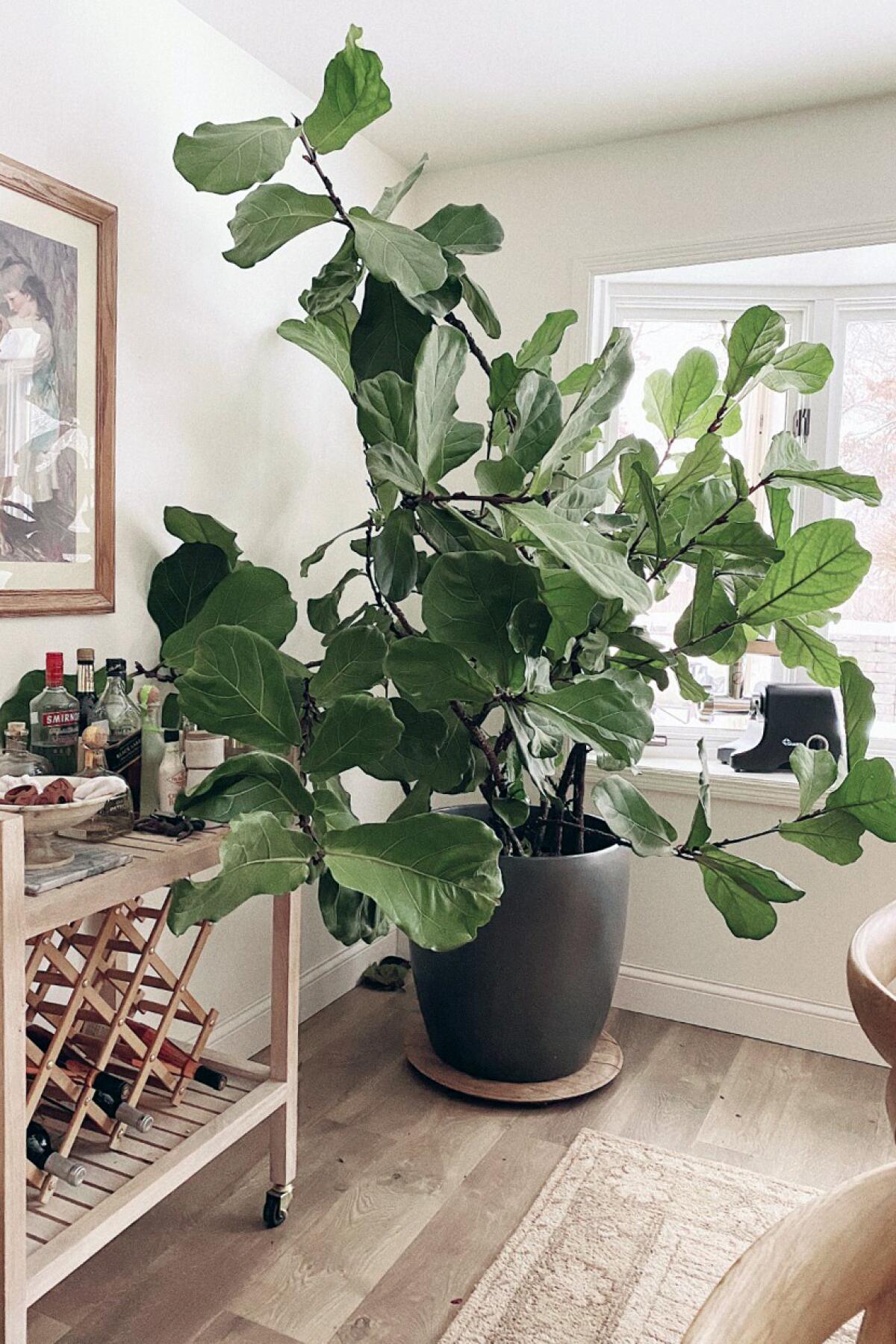
Repotting a Fiddle Leaf Fig requires careful consideration to avoid unnecessary stress, as these plants can be quite sensitive to changes. Here’s a detailed guide to help you determine the right time to repot and how to do it with minimal disruption:
Signs It's Time to Repot
Frequent Watering Needs:
- If you find yourself watering your Fiddle Leaf Fig more frequently than usual (e.g., every few days instead of weekly), it might indicate that the substrate has degraded and is no longer retaining moisture effectively. This can happen when the soil becomes compacted or if the potting mix has broken down significantly.
Water Drainage Issues:
- If the plant's soil is taking too long to dry out, it may be due to the mix holding too much moisture, increasing the risk of root rot. Repotting into a well-draining mix can help resolve this problem.
Root Bound Condition:
- If roots are visibly growing out of the drainage holes or circling the bottom of the pot, it's a sign that your Fiddle Leaf Fig has outgrown its current pot. This can restrict growth and water absorption.
Soil Quality Degradation:
- Over time, potting mix can become compacted, lose its aeration, or develop a layer of hydrophobic material that repels water. If the soil is not absorbing water properly or is showing signs of severe decomposition, repotting is necessary.
When Not to Repot
- Soil Level Drop:
- If only the soil level has dropped over time and the plant is still healthy with no signs of root problems, you might not need a full repot. Instead, you can simply add fresh substrate to the top of the pot or lift the plant slightly and add new soil underneath.
Repotting Process
Choose the Right Time:
- The best time to repot a Fiddle Leaf Fig is during the active growing season, which is typically spring or early summer. This timing helps the plant recover more quickly from the stress of repotting.
Prepare the New Pot and Soil:
- Select a pot that is 1-2 inches larger in diameter than the current one. Use a well-draining potting mix suitable for Fiddle Leaf Figs, such as a blend of potting soil, perlite, and a bit of orchid bark.
Minimize Root Disturbance:
- Gently remove the plant from its current pot, being careful not to damage the roots. If possible, avoid disturbing the root ball too much. Trim any visibly dead or damaged roots.
Add Fresh Substrate:
- Place some fresh potting mix in the bottom of the new pot. Position the plant in the center and fill in around the sides with more fresh substrate. Lightly press down to eliminate air pockets but avoid compacting the soil too much.
Nutrient Bath:
- Before repotting, consider giving the plant a nutrient bath or soaking it in a diluted seaweed solution. This can help reduce transplant stress and promote quicker recovery.
Water and Adjust Placement:
- Water the plant thoroughly after repotting to help settle the soil. Place it in a location with bright, indirect light to help it adjust. Avoid direct sunlight and drafts.
By repotting only when necessary and following these careful steps, you can help your Fiddle Leaf Fig transition smoothly to its new pot and continue to thrive in your home.


Comments
Post a Comment