Syngonium Care Guide: Soil, Water, and Fertilizer
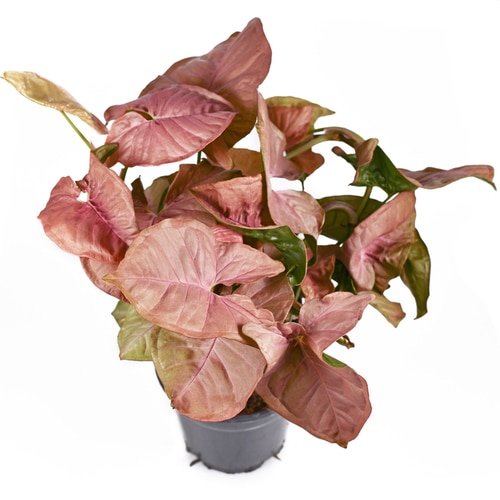
Syngonium, also known as Arrowhead Plants, are fantastic houseplants with lush foliage and relatively easy care requirements. Here’s a detailed guide on the best practices for growing them, focusing on soil, water, and fertilizer.
Best Soil for Syngonium
Syngonium plants thrive in a soil mix that balances moisture retention and drainage. Here's how to choose the right soil for your Syngonium:
Soil Type:
- Rich, Soil-Based Mix: A rich, soil-based mix that retains some moisture while still being free-draining is ideal. This helps keep the roots moist but prevents waterlogging.
- Wildvine's Houseplant Blend: A good choice for those who prefer a soil-based mix that retains moderate moisture. It keeps the soil lightly moist, which Syngonium prefers, especially in brighter light conditions.
- Bio Leaf Indoor Fine: If you’re prone to over-watering, a soil-free, aroid mix like Bio Leaf Indoor Fine can be a better option. It’s a fine-grade mix that prevents waterlogging and is ideal for those who struggle with root rot.
Drainage:
- Ensure your soil mix is well-draining and airy. Syngonium roots can rot if left in soggy soil, so avoid pure potting mix. Adding perlite or orchid bark can improve drainage and aeration.
Alternative Growing Mediums:
- Hydro and Semi-Hydro: Syngonium also adapt well to hydroponic setups like LECA (Lightweight Expanded Clay Aggregate). If you’re interested, check out beginner guides to growing in LECA to explore this method.
Water Requirements for Pink Syngonium
Syngonium plants prefer consistently moist soil but don’t like being overwatered. Here’s how to manage their watering needs:
Watering Frequency:
- Ideal Moisture Level: Keep the soil evenly, lightly moist. Allow the top of the soil to dry out slightly before watering again.
- Watering in Soil-Based Mix: For a soil-based mix, water when the soil is dry about halfway down. If you tend to underwater, this mix will help retain some moisture.
- Watering in Soil-Free Mix: For soil-free or aroid-type mixes, water when the soil is dry about a quarter of the way down. These mixes dry out faster.
Signs of Water Stress:
- Underwatering: If the soil is left dry for too long, the plant may droop, wilt, or show crispy leaves. If caught in time, Syngonium can recover well from underwatering.
- Overwatering: Overwatered plants may develop root rot, with symptoms like yellowing leaves or a musty smell. Ensure proper drainage to prevent this.
Fertilizing Syngonium
Syngonium are moderate feeders and benefit from regular but light fertilization.
Fertilizer Type:
- Weekly Weakly: A practice of fertilizing lightly every time you water. This provides consistent nutrients without overwhelming the plant.
- Recommended Fertilizers:
- GT Foliage Focus: High in nitrogen, supporting lush foliage growth. Use 5ml per 1 liter of water.
- Plant Runner Indoor Plant Food: Another excellent choice, combining fertilizer and seaweed. Use 1ml per 1 liter of water.
- BioPower Organic Seaweed: A good monthly addition for extra nutrients. Use at half-strength.
Fertilizing in Hydroponic Systems:
- If growing in LECA or similar systems, regular fertilization is crucial as these mediums do not supply nutrients.
Summary
Syngonium are forgiving and versatile plants that can thrive with the right soil, watering routine, and fertilization. Whether you prefer a rich soil mix or a hydroponic setup, your Syngonium will benefit from a well-balanced approach to moisture and nutrients.
By following these guidelines, you'll ensure your Syngonium remains healthy, lush, and vibrant.


Comments
Post a Comment