Understanding and Addressing Dropping Leaves in Houseplants
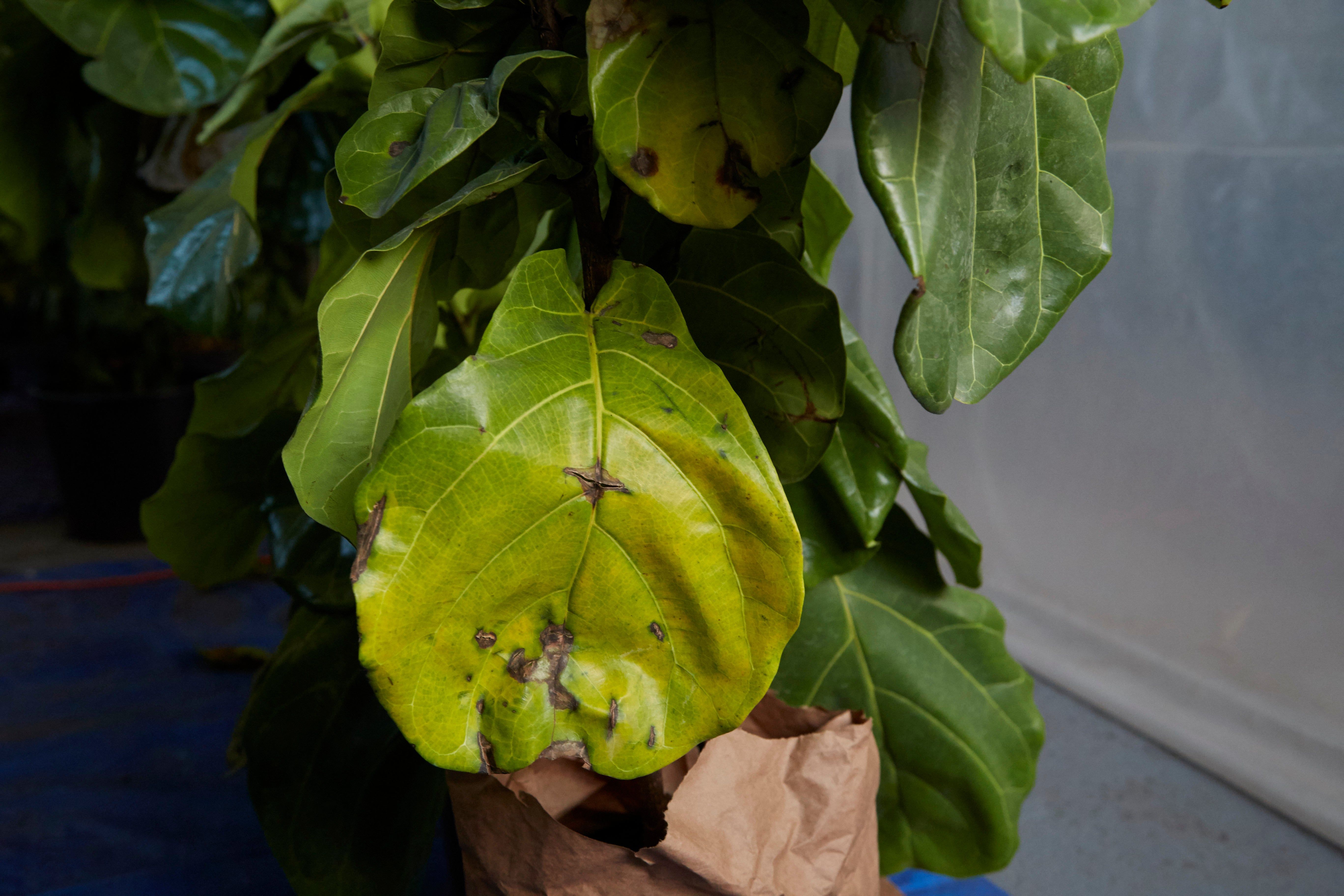
The most common causes of leaf drop and provide practical solutions to help your plant thrive again.
1. Watering Issues
Watering is a key factor in plant health, and improper watering can lead to leaf drop:
Overwatering: Soggy soil can lead to root rot, which may cause leaves to drop. To avoid this, water evenly around the pot until it drips out the bottom, then discard any excess water collected in the saucer. Check out the Grow-How® Team’s blog post 6 Tips To Properly Water Your Plants for more details.
Underwatering: Insufficient watering can cause stress and leaf drop as well. Ensure the soil remains consistently moist but not waterlogged. Adjust your watering schedule based on the specific needs of your plant.
Tip: Refer to our plant care guides for specific watering needs of different plant varieties.
2. Too Little Light
Insufficient light can hinder photosynthesis and lead to leaf drop:
Low Light: If your plant isn’t receiving enough light, it may drop older leaves to conserve energy. Move your plant to a brighter spot with indirect sunlight, such as near an east-facing window or a few feet back from a south or west-facing window with some natural shade.
Direct Light: For sun-loving plants, you might need to acclimate them to direct sunlight. Direct light involves exposure to unobstructed southern or western windows for 6 or more hours a day.
Tip: Learn more about lighting needs in our indoor plant lighting guide and check care guides for specific lighting requirements.
3. Drafty Area or Low Humidity
Drafts and low humidity can stress plants and cause leaf drop:
Drafts: Ensure your plant isn’t exposed to cold drafts from windows or air vents. This can cause stress and lead to leaf drop.
Humidity: Plants that require high humidity may drop leaves if the air is too dry. Increase humidity by misting the plant, using a pebble tray, or placing a humidifier nearby.
4. Pests
Pests can weaken your plant and cause leaves to drop:
- Common Pests: Mealybugs, scale, and spider mites are known to feed on plant sap, leading to stress and leaf drop. Look for signs like fine webbing, small dots on leaves, cotton-like tufts, and sticky residue.
Treatment: Use neem oil or spinosad to manage pests. Regular inspection and prompt treatment are key to preventing damage.
5. Rootbound
A rootbound plant may exhibit leaf drop due to overcrowded roots:
- Signs: Check for roots growing through drainage holes or creeping up the soil surface. Water may also rush through without soaking in. These are indicators that the plant may be rootbound.
Solution: If rootbound, consider repotting your plant into a larger pot with fresh soil. For repotting instructions, see the Grow-How® Team’s blog on how to repot your plants.
6. Shock, Stress, or Normal Leaf Drop
Sometimes leaf drop is a normal part of your plant’s life cycle:
Shock and Stress: Moving plants, repotting, or sudden changes in temperature can stress them, causing temporary leaf drop. Usually, plants will recover once they adjust to their new conditions.
Normal Leaf Drop: Plants naturally shed old leaves as they grow. If new growth is healthy and the leaf drop is mainly older leaves, it may be a normal part of the plant’s lifecycle.
Tip: Ensure overall plant care is optimal to help your plant bounce back from stress.
Getting Your Plant Back on Track
To help your plant recover:
- Identify the Cause: Determine the primary issue from the causes listed above.
- Adjust Care: Make the necessary changes in watering, lighting, humidity, or pest control.
- Monitor and Adapt: Observe your plant’s response and adjust care as needed.


Comments
Post a Comment