Top Summer Houseplant Care Tips: Nurturing Your Green Companions
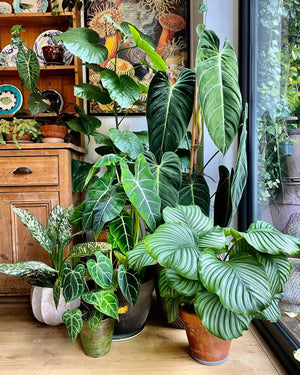
As summer arrives, your houseplants are likely bursting with new growth thanks to the longer days, increased light, and warmer temperatures. To ensure your plants continue to thrive during this vibrant season, it’s essential to adjust your care routine. Here are our top summer houseplant care tips to help you maintain lush, healthy plants all season long.
1. Double-Check Your Routine
The change in seasons brings significant shifts in your plants' needs. With the summer equinox upon us, plants experience more light and warmth than any other time of the year. This stimulates rapid growth, which requires adjustments to your care routine.
Key Adjustments:
- Water More Frequently: Increased growth means higher water consumption. Ensure you water deeply until excess water drains from the bottom. Be vigilant about signs of over- or under-watering, such as yellowing leaves or wilting.
- Adjust for Seasonal Light Changes: Intense summer sunlight can lead to sun-scorch, where leaves may become bleached. If this happens, move your plant away from direct sunlight and trim any damaged leaves, which won't recover.
Quick Tip: Monitor the amount of light your plant receives and adjust its placement accordingly to prevent sunburn and ensure optimal growth.
2. Cut Back Plants
Spring’s vigorous growth might leave some plants looking unruly. Pruning is an essential summer task that helps control size, improve shape, and rejuvenate tired plants.
Benefits of Pruning:
- Size Control: Trim overgrown branches to manage the plant’s size. Remove no more than 25% of the plant’s foliage at a time to avoid stressing the plant.
- Shaping: Pruning helps refine the plant's shape, keeping it neat and well-defined. Use sharp pruning scissors to achieve a clean cut.
- Rejuvenation: For plants with sparse growth or damage, a more drastic prune might be necessary. Remove most or all of the leaves to encourage fresh, new growth.
- Reblooming: For flowering plants, deadheading old blooms can redirect energy toward producing new flowers.
For More Information: Check out detailed guides on pruning techniques to ensure you’re using the best practices for your specific plant types.
3. Fertilize Regularly
During periods of active growth, such as summer, plants require additional nutrients to support their development. Fertilizing ensures they receive essential elements that might be depleted in the potting mix.
Fertilizing Tips:
- Frequency: Apply fertilizer 1-2 times per month, depending on the plant’s needs. Check the specific requirements for your plant species.
- Application: Mix and pour fertilizer as if watering the plant. Avoid fertilizing dry soil; water the plant thoroughly a day or two before applying fertilizer.
- Types of Fertilizer: Use an all-purpose fertilizer with a balanced mix of macronutrients for general use. For flowering or fruiting plants, consider a fertilizer high in phosphorus.
Recommended Products: Consider all-purpose fertilizers or specialty options like palm or air plant fertilizers based on your plant's needs.
4. Scout for Problems
Pests and diseases are more common during summer due to increased humidity and warmer temperatures. Regularly inspect your plants to catch and address issues early.
Common Issues:
- Pests: Watch for spider mites, mealybugs, aphids, whitefly, and thrips. Fungus gnats and scale insects are also common. Treat infestations early with insecticidal soap or Neem oil.
- Diseases: High humidity can lead to fungal problems. Provide gentle airflow and keep leaves dry. Use copper fungicide for fungal issues.
Prevention Tips: Keep insecticidal soap or Neem oil handy and consider using a fan or placing plants near an open window to improve airflow.
5. Consider Outdoor Placement
Summer is a great time to move your indoor plants outside, where they can benefit from increased light and humidity. This change can lead to significant growth, but it requires careful planning.
Outdoor Placement Tips:
- Water More Often: Outdoor conditions can cause soil to dry out faster. Check plants daily and water as needed.
- Protect from Excess Sun and Wind: Place plants in a shaded area or expose them to direct sunlight gradually. Ensure they are protected from strong winds that could damage them.
Acclimation: Gradually acclimate your plants to outdoor conditions over a week or two to prevent shock.
Conclusion
With the right care, summer can be a flourishing time for your houseplants. By adjusting your watering routine, pruning as needed, fertilizing regularly, and staying vigilant for pests and diseases, you’ll help your plants make the most of the season’s abundant growth. Additionally, consider moving your plants outdoors to take advantage of the natural warmth and humidity.
Embrace these summer care tips to keep your indoor garden thriving and vibrant, ensuring your green companions continue to brighten your home throughout the season.


Comments
Post a Comment